
I. Introduction
Bird's nest has long been prized as a traditional health supplement. However, in recent years, the issue of excessive aluminum content has become increasingly prominent. Elevated aluminum levels in bird's nest may originate from two sources: first, naturally high aluminum content in the soil or water of swiftlet houses or caves, leading to absorption by the raw nests; second, the illegal use of aluminum-containing additives (such as alum) during processing to increase weight or improve appearance. Regardless of the cause, establishing an efficient and accurate method for aluminum detection is crucial for protecting consumer health and maintaining industry order.
II. Application of TXRF in Aluminum Detection of Bird's Nest
Traditional aluminum detection methods, such as Inductively Coupled Plasma Mass Spectrometry (ICP-MS), offer high sensitivity but suffer from drawbacks including complex sample preparation, long analysis times, the need for specialized personnel, and high equipment costs. Against this backdrop, the Total Reflection X-ray Fluorescence Spectrometer TX3300 offers an innovative solution for rapid screening of aluminum content in bird's nest, leveraging its ppb-level detection limit, minimal sample preparation requirements, and multi-element simultaneous analysis capabilities.
In terms of applications, the TX3300 has been validated in fields such as food safety, environmental science, and biomedicine. For example, in heavy metal analysis of coolants, the instrument successfully achieved simultaneous quantitative analysis of elements including aluminum, iron, and copper, demonstrating its reliability for trace element detection in complex matrices.
III. Application Case
3.1 Sample Preparation Method
The suspension sampling method was used to test the bird's nest samples: 0.1 g of bird's nest was weighed and dispersed in dilute nitric acid. An internal standard solution was then added, and the mixture was thoroughly mixed before being dropped onto the sample carrier for testing.

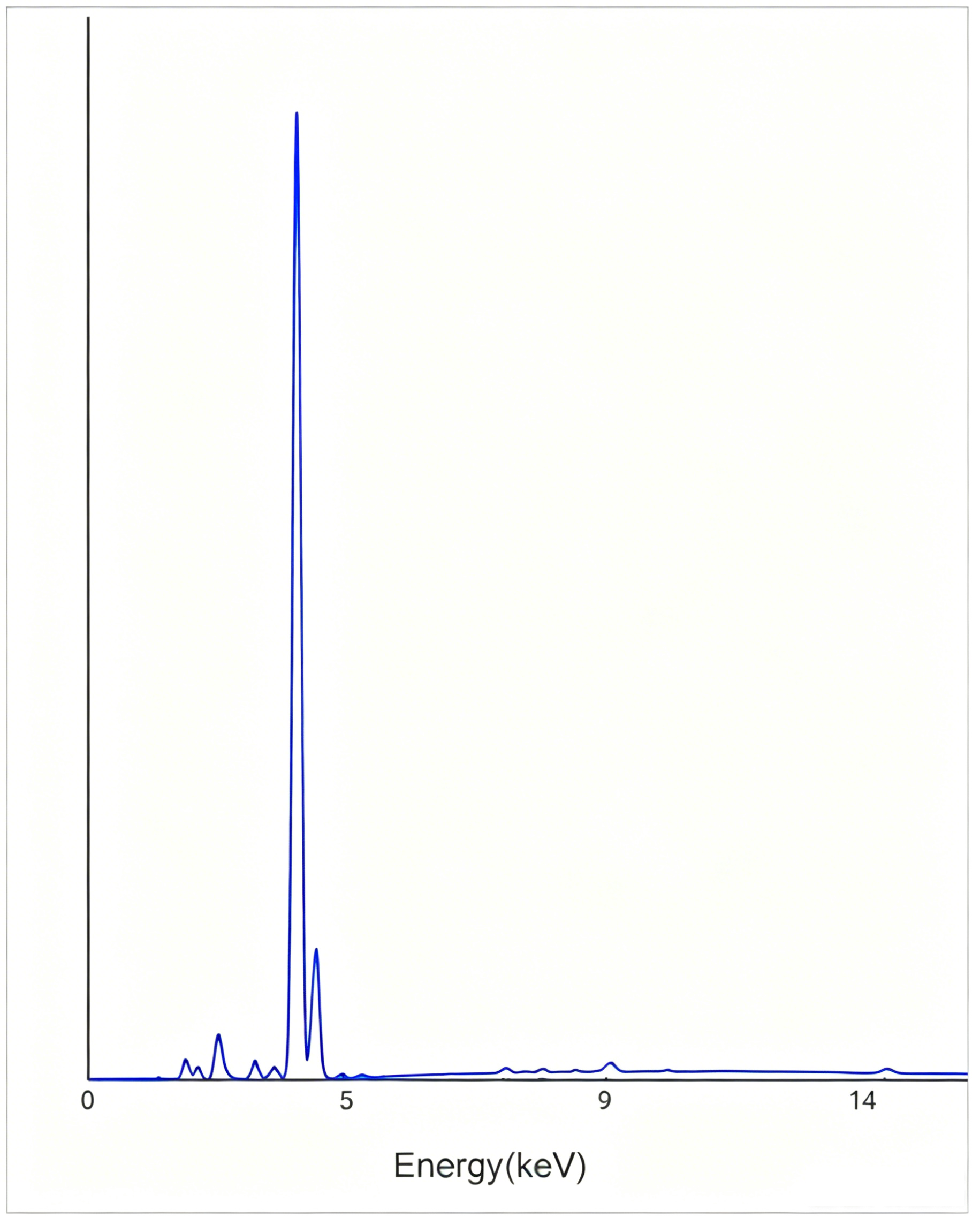
3.2 Test Spectra
3.3 Repeatability Verification

3.4 Testing Conclusions
The reference value for aluminum content in the customer's bird's nest sample is approximately 50 ppm. This case validates the feasibility of using the suspension sampling-XRF method for determining aluminum content in bird's nest. The measured average value of 50.51 ppm deviates by less than 0.51 ppm from the customer's reference value, demonstrating good repeatability and indicating that this method meets the requirements for routine testing.

IV. Outlook
The TX3300 Total Reflection X-ray Fluorescence Spectrometer, with its ppb-level sensitivity, simple operation, and cost-effectiveness, provides a powerful tool for the precise control of aluminum content in bird's nest. In the future, LANScientific will continue to deepen its efforts in the field of rapid food testing, making simpler and more reliable detection technologies accessible to more users across various industries, thereby safeguarding food safety.