
The properties of metals and alloys are determined by chemical composition, crystal structure, and microstructure. LANScientific SuperSEM can be used for analyzing metal fractures, alloy phase composition, powder metallurgy, and inclusions. It can observe the surface and internal microstructure of metallic materials and, combined with qualitative and quantitative elemental analysis, achieve precise correlation between morphology and composition.
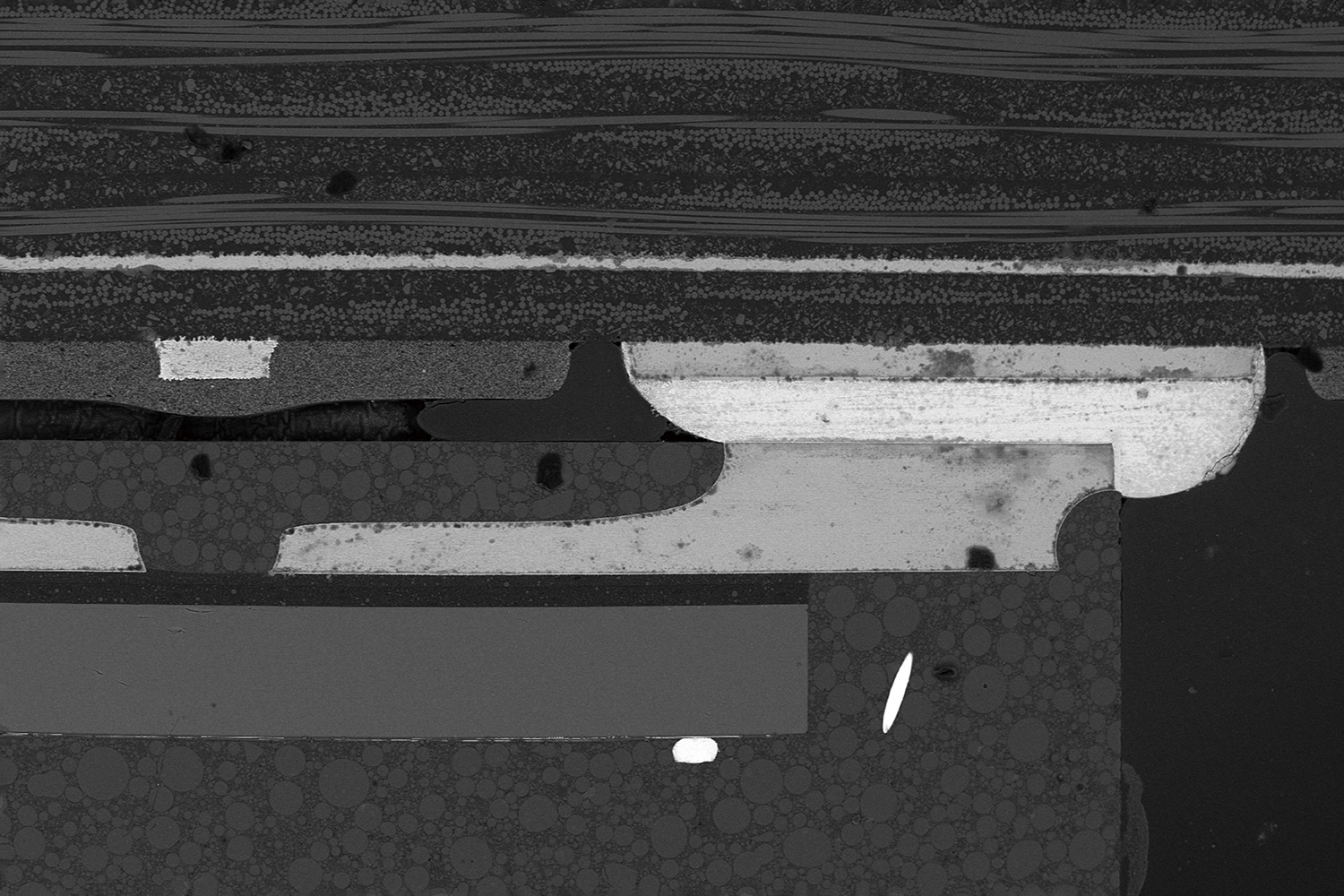
It is used for morphological observation, linewidth measurement, and defect inspection of semiconductor wafers, chips, and micro/nano devices. It can characterize lithographic patterns, thin-film interfaces, and particulate contaminants, providing microscopic characterization support for chip process development, yield analysis, and failure troubleshooting.

SuperSEM can perform static microstructural observation and elemental analysis on carbon materials, nanomaterials, ceramic materials, magnetic materials, powders, as well as functional materials like thermoelectric and piezoelectric materials.It also has the capability to perform dynamic microstructure observation.

Polymer materials are rapidly evolving towards high performance, multifunctionality, sustainability, and intelligence. SEM, with its exceptional capabilities, is a key tool for studying the surface and internal morphology, structure, and composition of polymers. It plays a vital guiding role in analyzing properties such as strength, wear resistance, chemical stability, corrosion resistance, degradability, and biocompatibility.
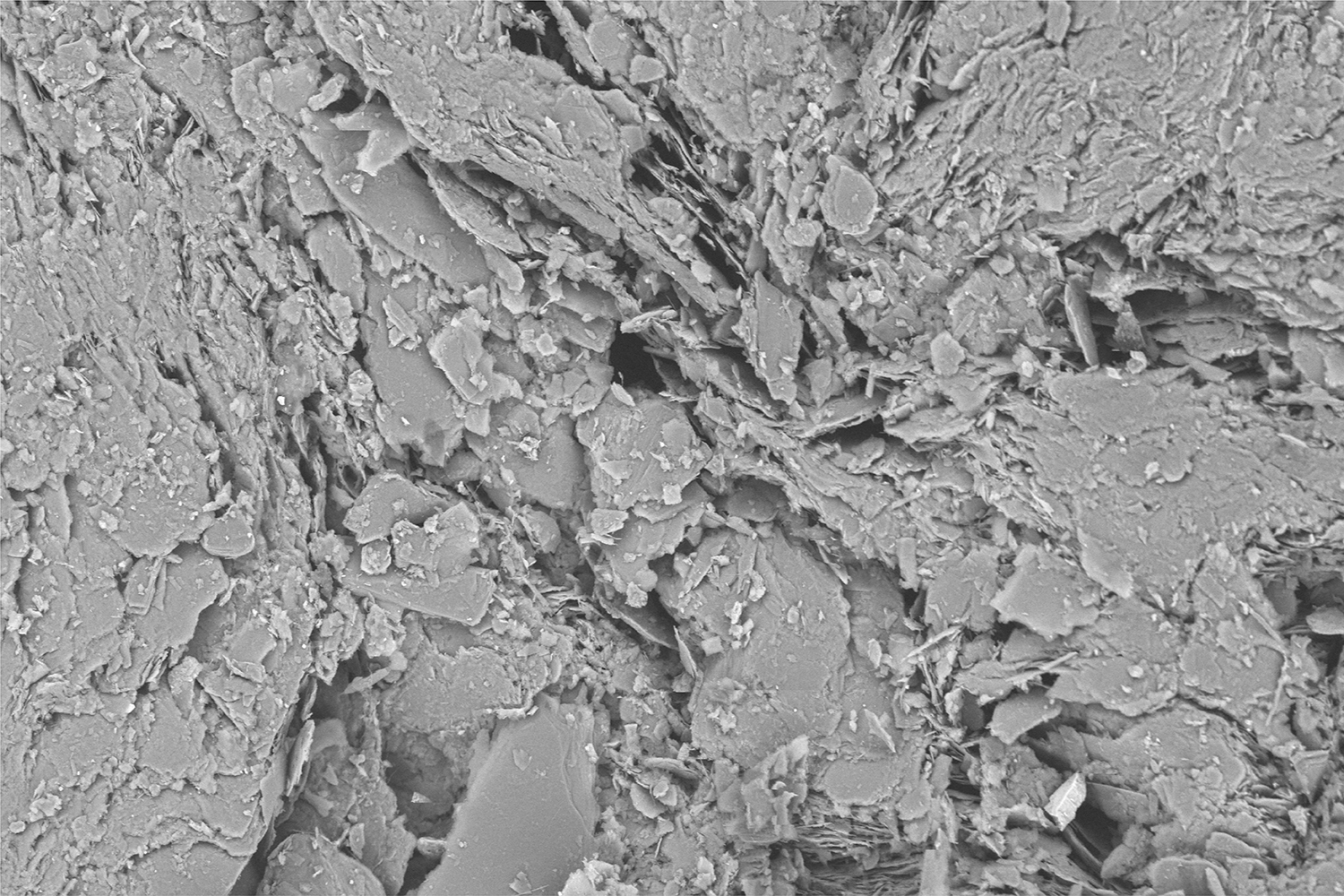
Scanning electron microscopy (SEM) can be used to perform microscopic morphology observation and micro-area compositional analysis on geological rock samples, archaeological remains, petroleum and petrochemical samples, and various building materials, providing key microscopic evidence for phase identification, material provenance tracing, and performance mechanism research.
With the rapid development of the new energy industry, scanning electron microscopy (SEM), with its high-resolution imaging capability, has become a key tool for studying the microstructure of new energy materials, optimizing battery performance, and improving energy conversion efficiency, thereby facilitating technological breakthroughs and industrial upgrading in the industry.

In life sciences, SEM serves as an indispensable tool for microscopic exploration. It is used to observe the surface microstructure of cells, tissues, and biomaterials, providing intuitive microstructural information for life science research.
